Ol Pejeta history: from cattle ranch to rhino conservancy
The land that is now Ol Pejeta Conservancy was a cattle ranch before it became a wildlife reserve. It lies on the Laikipia plateau near Nanyuki and covers about 90,000 acres, or around 360 km². Today it works as a private, non-profit conservancy. It is not a national park.
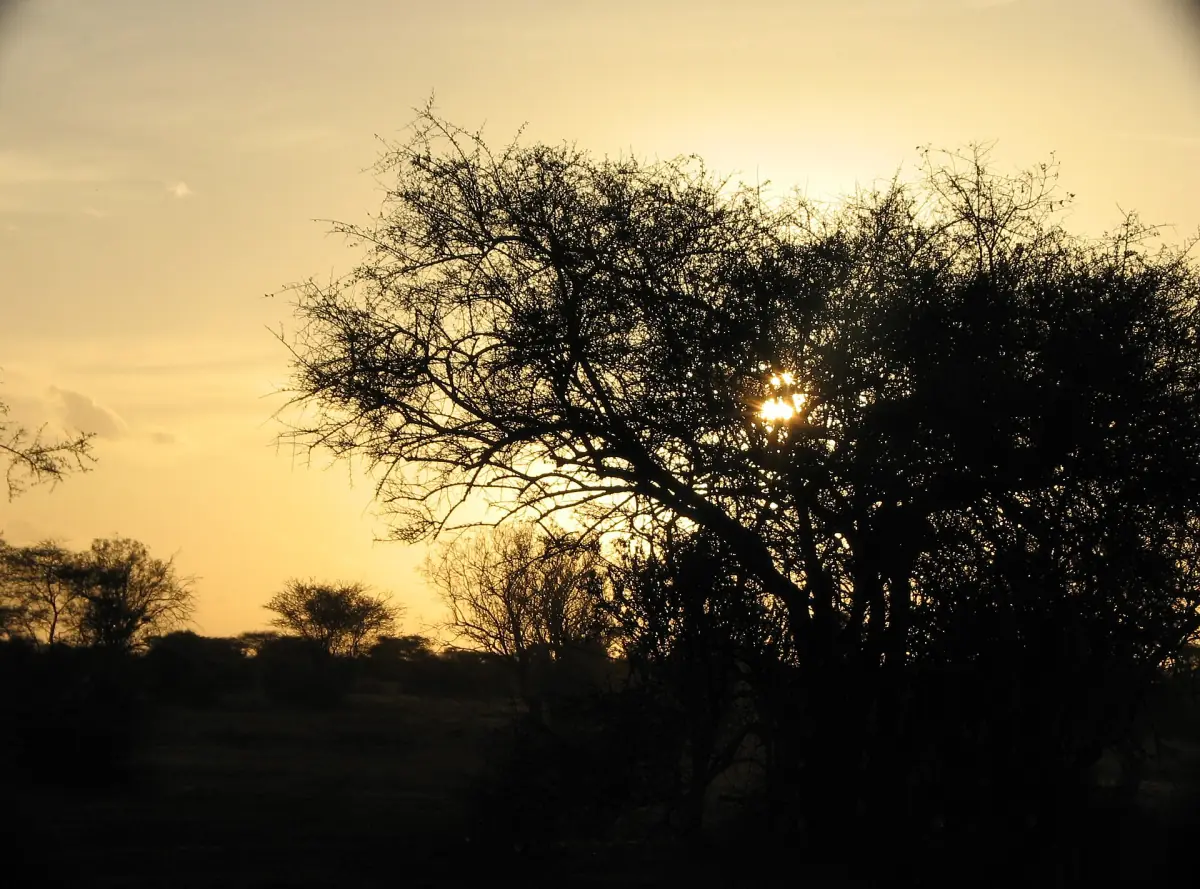
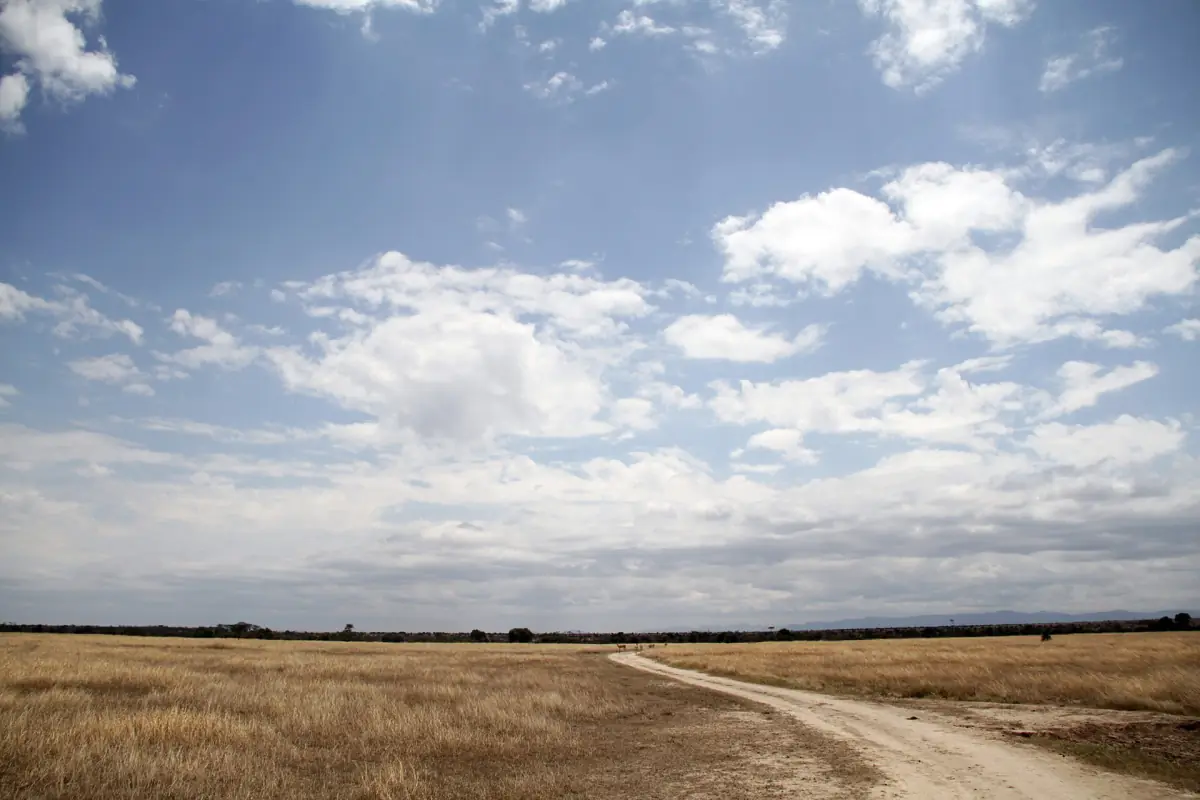
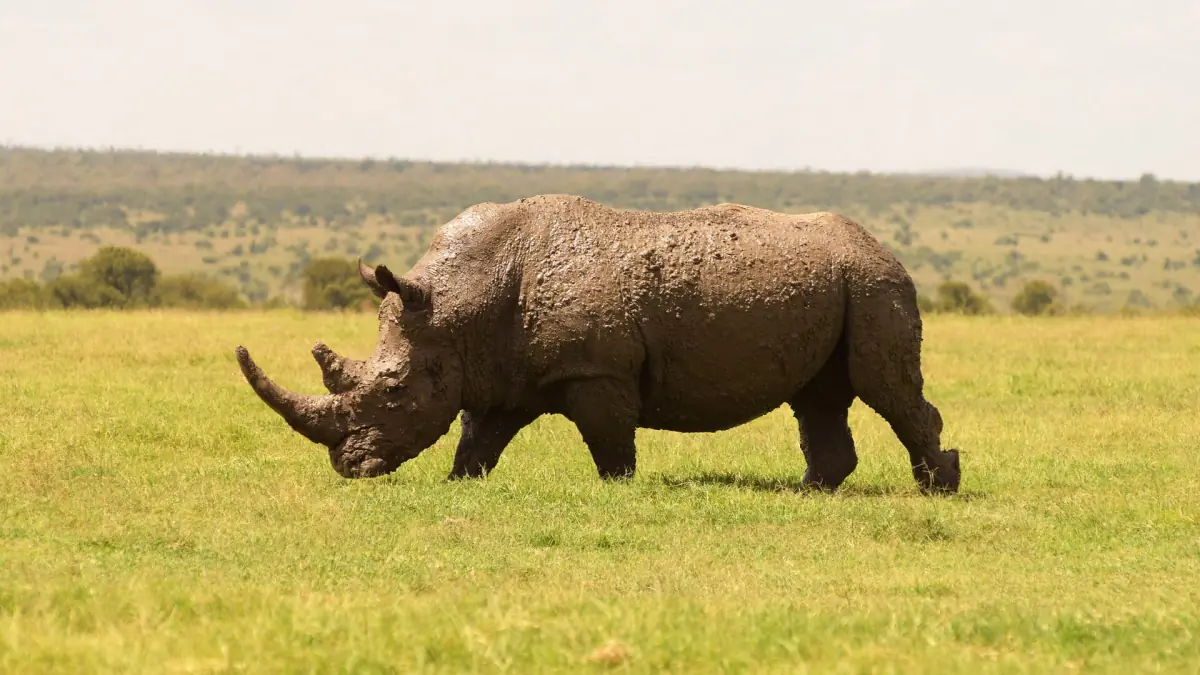
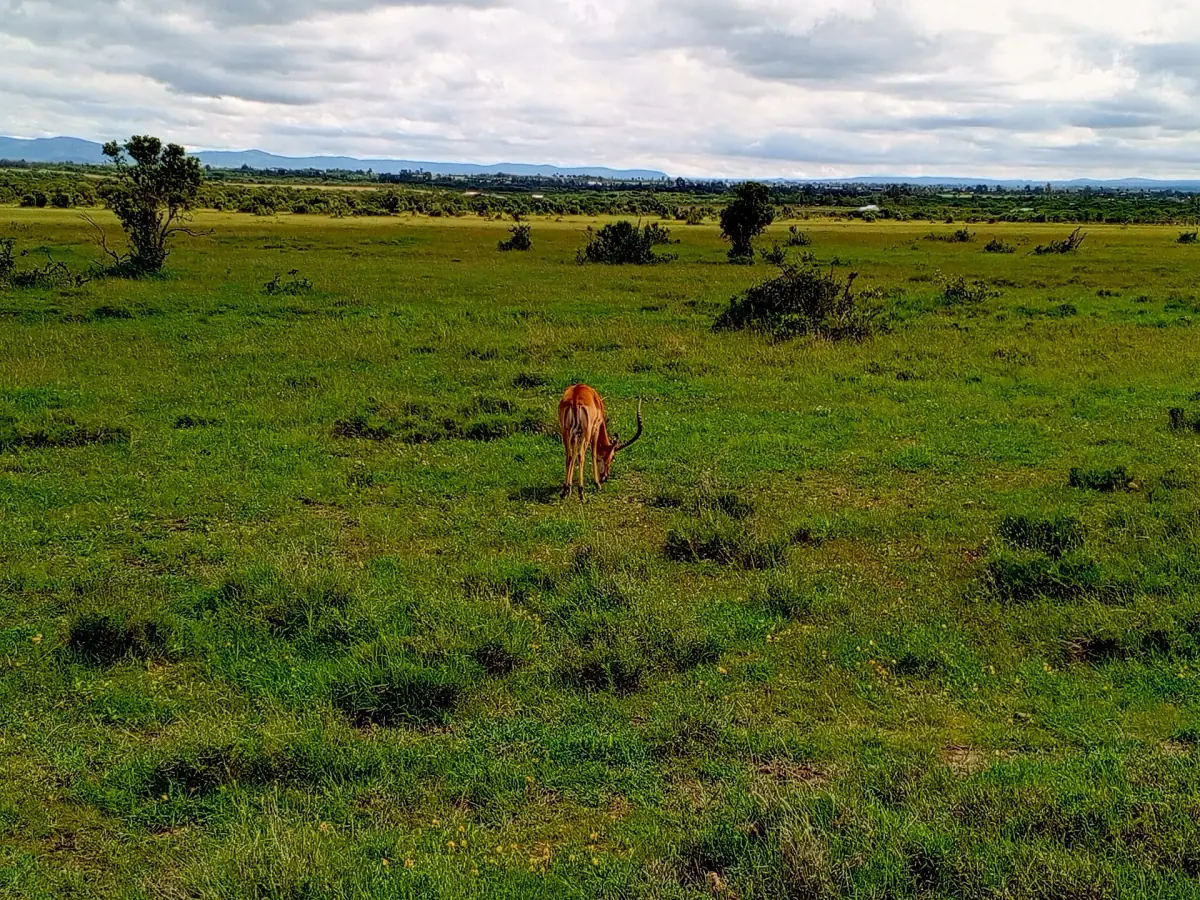
The history is easier to follow with the landscape in front of you. A day of Ol Pejeta game drives crosses the former ranch land, and the dates below explain how it became what it is.
The cattle ranch and Sweetwaters
Before the conservancy.
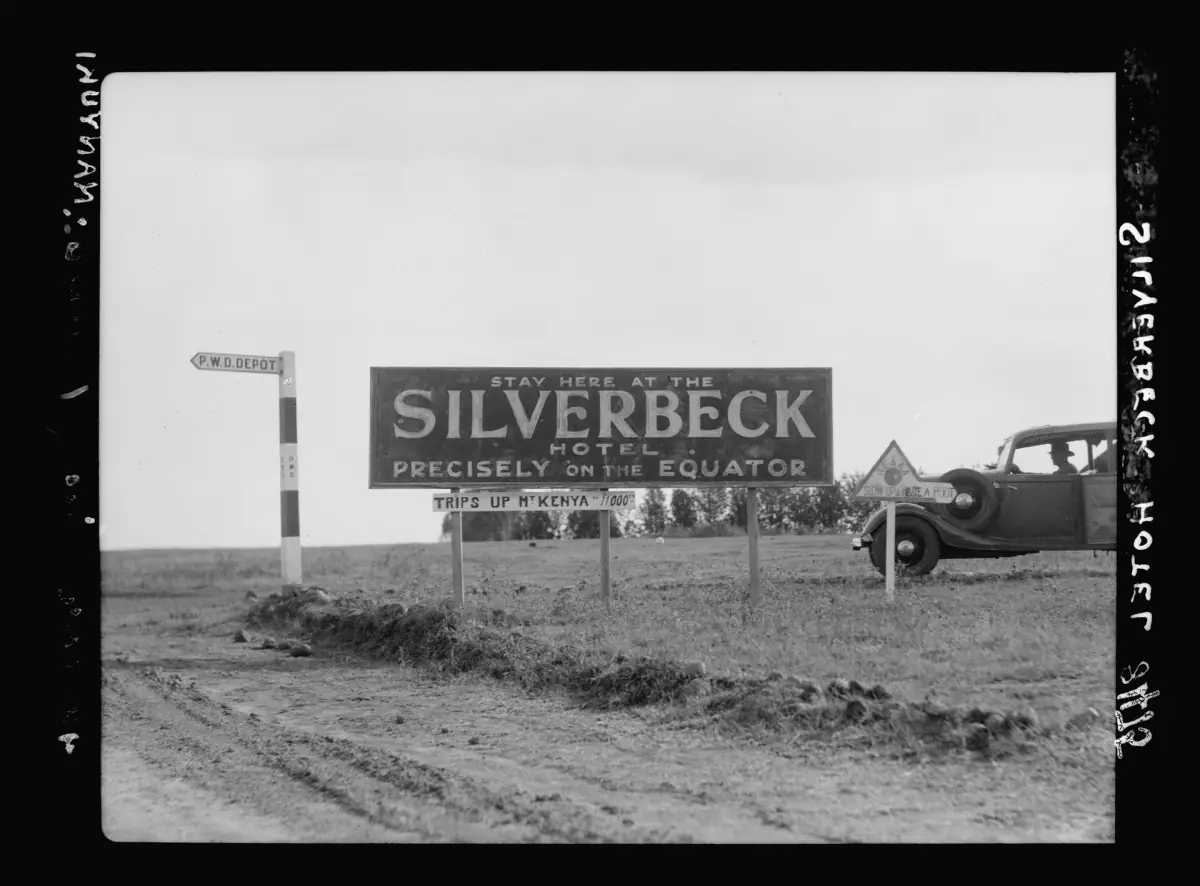
Lord Delamere, 1940s
The ranch was bought by Lord Delamere in the 1940s. Adnan Khashoggi was a later owner.
Sweetwaters Game Reserve, 1988
Lonrho Africa set up the Sweetwaters Game Reserve on the land in 1988. The name Sweetwaters still lives on in the chimpanzee sanctuary.
Chimpanzee sanctuary →Chimpanzees, 1992 or 1993
The sanctuary was built in 1992 or opened in 1993, depending on how you count. It took in chimps after a rescue station in Burundi closed.
Our pick: a day at the former ranch land
This day tour takes you into the conservancy that grew out of the old cattle ranch, with the entry and lunch in the price.
Hand-picked tours, booked through Viator. Prices are indicative starting prices in US dollars (as of October 2026). Tap a tour for live availability and the current price in your currency.
Ol Pejeta tours and day trips
Day trips and safaris to Ol Pejeta and the Laikipia plateau, with live prices and availability.
2003 and 2004: how the conservancy began
Two dates that are often mixed up.
2003: the land purchase
The ranch land was bought in 2003, with Fauna & Flora taking part in the purchase.
2004: the conservancy
The conservancy was founded in 2004. In the same year an Arcus investment followed, and the land passed to a Kenyan non-profit.
How it is run today
Ol Pejeta Ranching Ltd is the commercial unit. The non-profit Ol Pejeta Conservancy Ltd manages the conservancy under a volunteer board. Profits go into conservation and community work.
Do not read the 2003 and 2004 dates as one event. One is the purchase, the other is the founding of the conservancy.
Key dates at a glance
From the ranch years to 2026.
| Year | What happened |
|---|---|
| 1940s | Lord Delamere buys the cattle ranch |
| 1988 | Lonrho Africa sets up Sweetwaters Game Reserve |
| 1992 or 1993 | Chimpanzee sanctuary built or opened |
| 2003 | Land purchase with Fauna & Flora taking part |
| 2004 | Conservancy founded |
| 20 December 2009 | Najin, Fatu, Sudan and Suni arrive from the Czech Republic |
| 19 March 2018 | Sudan, the last male northern white rhino, dies |
| 2023 to 2026 | First IVF pregnancy in rhinos (2023) and further embryo transfers up to April 2026 |
| 16 August 2026 | Baraka, the blind black rhino, dies aged 31 |
For most readers, the dates from 2003 on are the ones that matter. They explain why rhinos, chimpanzees and community work all sit under one roof.
What you can see of this history today
Places and activities on site.
Morani Information Centre
The centre is open daily from 07:30 to 18:00. It has no separate activity entry, but conservancy entry is still due.
Nature Trail
The trail is open from 09:30 to 16:30.
Conservation Talk
A talk costs $20 per adult in 2026 and needs three days of notice.
The northern white rhino enclosure
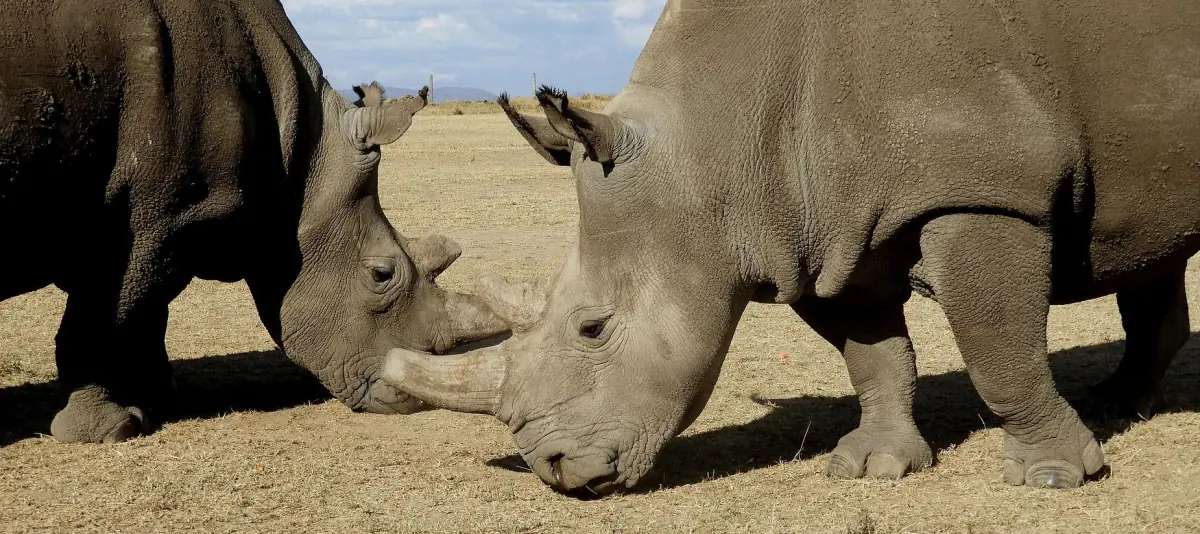
The guarded 700-acre enclosure is where Najin and Fatu live. You visit it on a guided slot, not on your own.
Cattle are still part of the model
The ranch past did not end.
Ranching remains part of how Ol Pejeta pays for conservation. Boran and Ankole cattle graze alongside wildlife. A Livestock-Wildlife Integration activity at $70 per adult in 2026 shows how the two share the land.
If the region's wider past interests you, the neighbouring mountain has its own history page at Mount Kenya. For the rhino story, go on to the northern white rhino guide.
Ol Pejeta history: frequently asked questions
When was Ol Pejeta founded?
The conservancy was founded in 2004. The land had been bought in 2003, so both years appear in its history.
Who owned the land before?
Lord Delamere bought the cattle ranch in the 1940s. Adnan Khashoggi was a later owner.
Is Ol Pejeta a national park?
No. It is a private, non-profit conservancy. Entry fees are set by the conservancy itself.
When did the northern white rhinos arrive?
Najin, Fatu, Sudan and Suni arrived on 20 December 2009 from Dvůr Králové in the Czech Republic.
Does Ol Pejeta still keep cattle?
Yes. Cattle are part of the conservation and funding model, grazing alongside wildlife.
Is this the official Ol Pejeta website?
No. This is an independent travel guide. Check current rules and bookings with the conservancy before you go.